
Posts tagged with art
-
Python to Rust: Porting My Genetic Art Algorithm
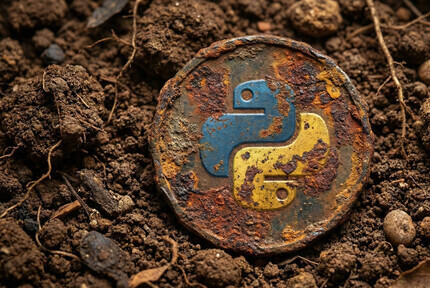
One of the first posts on this blog showed how to implement a genetic algorithm in Python. Revisiting that project, I realized it is an ideal candidate to port to Rust: it is computationally heavy, and touches on performance, parallelism, and data structures. In short, a good excuse to finally...
-
ComfyUI and SDXL: New Workflows
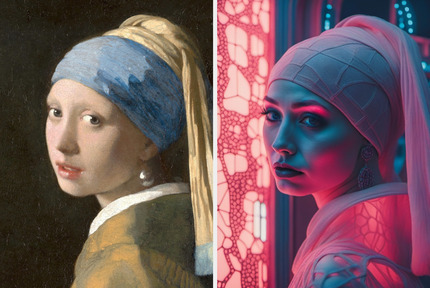
The latest version of our software, StableDiffusion, aptly named SDXL, has recently been launched. This has simultaneously ignited an interest in ComfyUI, a new tool that simplifies usability of these models. It’s important to note, however, that the node-based workflows of ComfyUI markedly differ from the Automatic1111 framework that I...
-
Get the most out of Stable Diffusion 2.1: Tips and Tricks
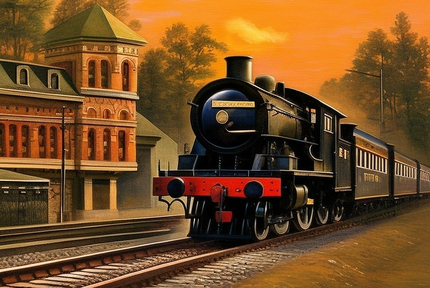
The latest version of Stable Diffusion, with its increased support for larger 768px images, is a significant improvement over previous models that only supported 512px images. While it may require some adjustment as it was trained on a more limited dataset and prompts in a different way, this new model...
-
Minimalist Art Using a Genetic Algorithm
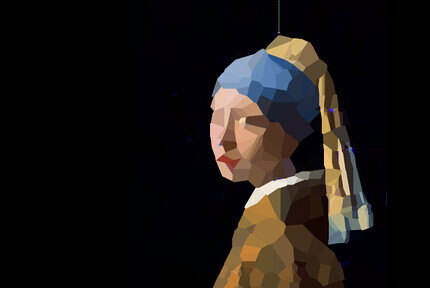
While the genetic algorithm in the previous post worked very well, it didn’t quite produce the style of minimalist artwork I was trying to achieve. Furthermore, it didn’t allow the chromosomes to evolve using duplication and deletion of existing genes (which is very common in biology). So after mulling over...
-
Genetic Art Algorithm
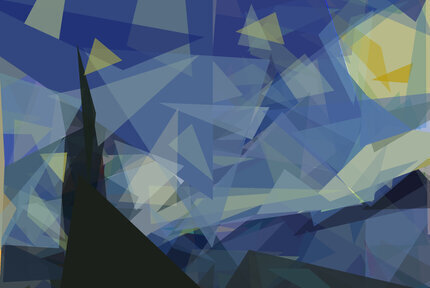
Genetic algorithms are fun, they require a different way of thinking. Here I’ll guide you through my process of building an algorithm that evolves 150 random triangles into a famous piece of art. The work I picked to re-draw: Van Gogh’s The Starry Night. The original and the version the...